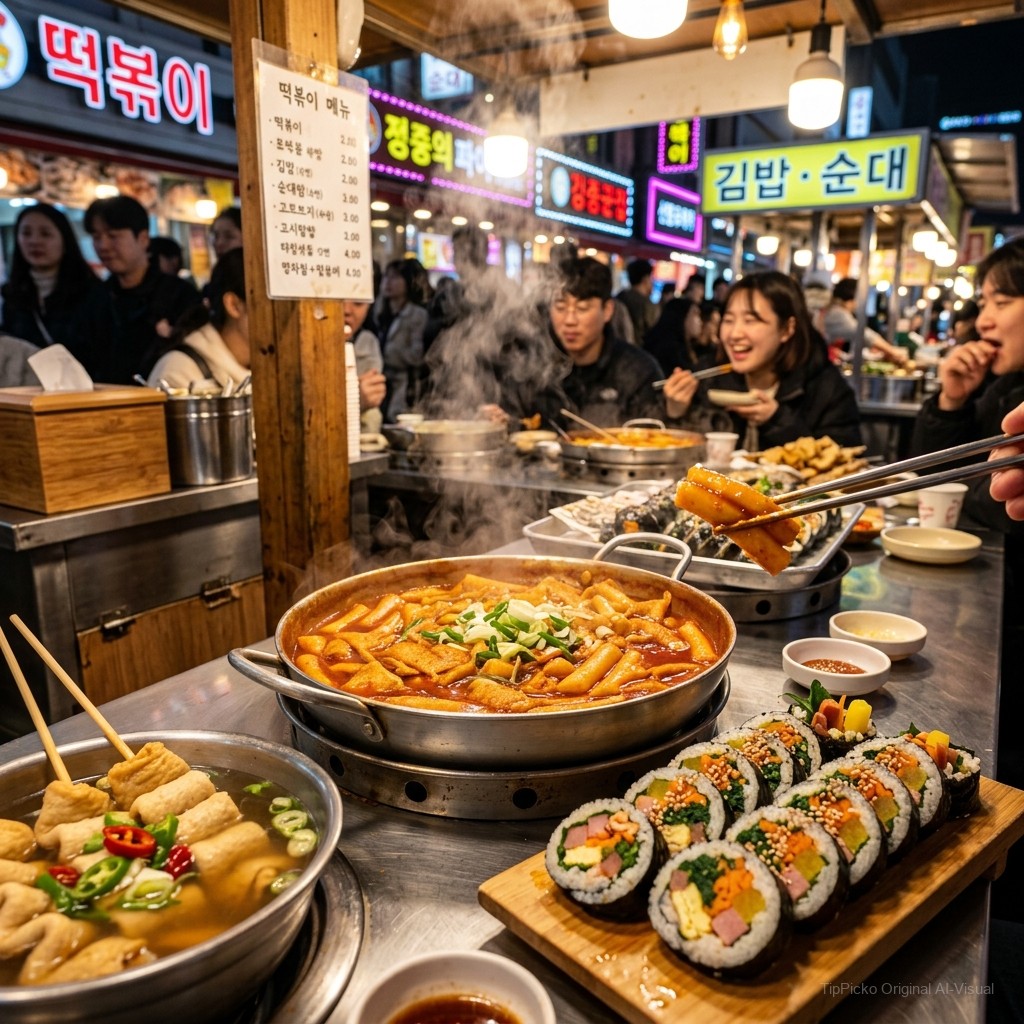
Forget the polished facades of Gangnam for a moment. To find the city’s true soul, you have to follow the scent of sizzling mung bean oil and fermented kimchi into the narrow alleys of the traditional markets. This is where Seoul breathes, eats, and remembers.
Cash is King
While Korea is digital, some legendary stalls still prefer 1,000 or 5,000 KRW notes.
Metro Mastery
Avoid taxis in peak hours; most markets are a five-minute stroll from subway exits.
The “Tasting” Strategy
Don’t fill up on one dish. Order small portions and share to maximize your palate.
Seoul in 2026 is a study in contrasts. You have robot cafes and AI-driven hotels, yet the city’s most beloved gathering spots remain the raw, unfiltered traditional markets. These places aren’t just about shopping; they are sensory explosions of sound, smell, and taste. Before you dive into the humid, bustling energy of these crowds, you might find our spring allergy care guide helpful to ensure a sneeze-free food tour.
1. Gwangjang Market: The Epicenter of Chaos
Established in 1905, Gwangjang is more than a market—it’s a culinary institution. Stepping inside feels like entering a different era. The air is thick with the aroma of frying batter and the shouting of vendors. It’s loud. It’s overwhelming. It’s exactly what you want.
Most visitors gravitate toward the center “food court” area, where rows of benches invite you to sit shoulder-to-shoulder with strangers. This is where you’ll find the legendary Bindaetteok (mung bean pancakes). These aren’t your average pancakes; they are ground by massive stone mills and fried until the edges are shattered-glass crisp while the inside remains creamy. Then there is the Mayak Gimbap. Literally translated as “drug kimbap,” these bite-sized rolls are addictive, paired with a pungent mustard dipping sauce that cuts through the sesame oil.
⚠️ 2026 Price Alert: A standard Mung Bean Pancake now fluctuates between 5,000 and 7,000 KRW. If a stall asks for significantly more without a clear reason, you’re likely paying a “tourist tax.”
- Sun-hui Bindaetteok: The gold standard for crispiness. Expect a queue, but it moves fast.
- Boo-chon Yukhoe: For those brave enough for beef tartare. It’s fresh, seasoned with pear and egg yolk, and world-renowned.
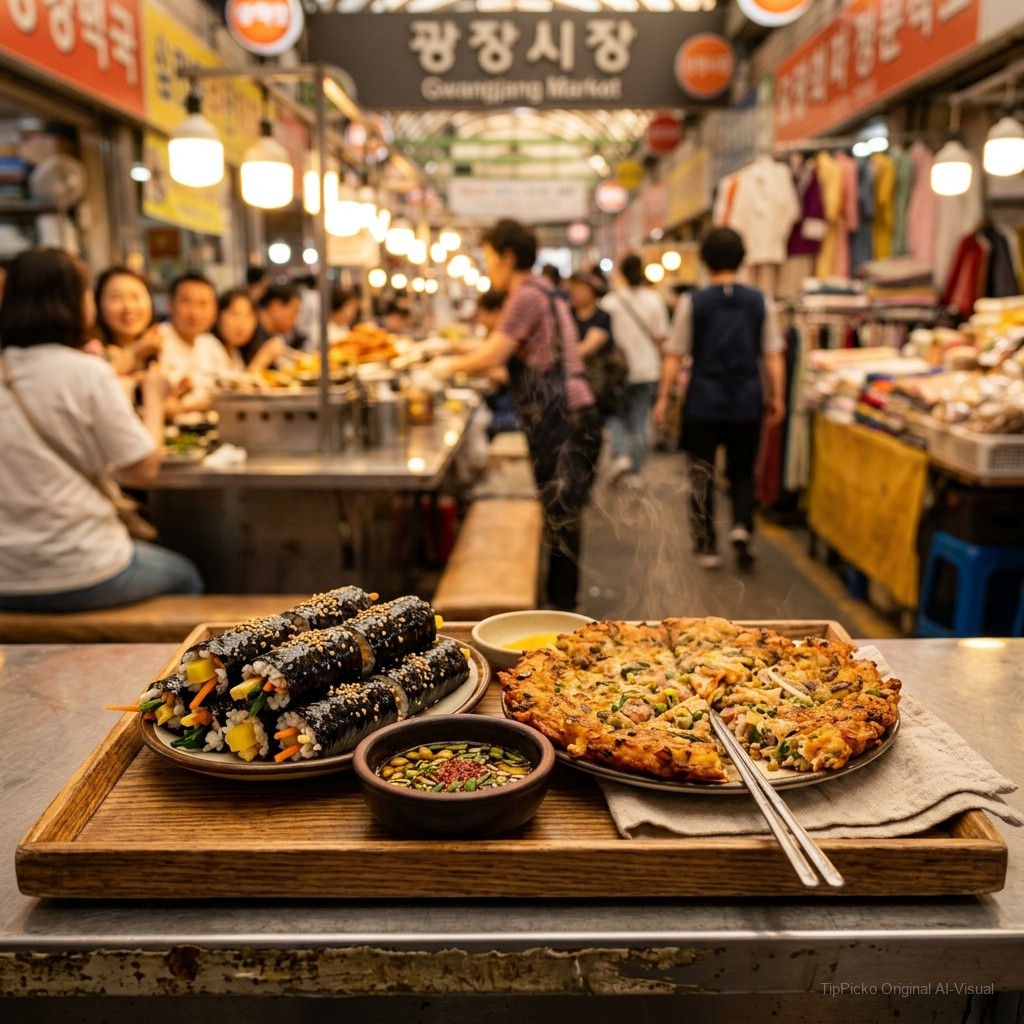
The high-energy atmosphere of Gwangjang, where decades of culinary tradition are served on every plate.
💰 Navigating the 2026 Street Food Price Index
Budgeting for a market tour is different from dining at a restaurant. You’re paying for small plates, but those plates add up. To help you navigate without the stress of hidden costs, we’ve mapped out the current average pricing for the most sought-after staples.
| Menu Item | Standard Price (KRW) | Max ‘Fair’ Price |
|---|---|---|
| Tteokbokki (Spicy Rice Cakes) | 4,000 – 5,000 | 6,000 at the Best K-Food Traditional Markets in Seoul |
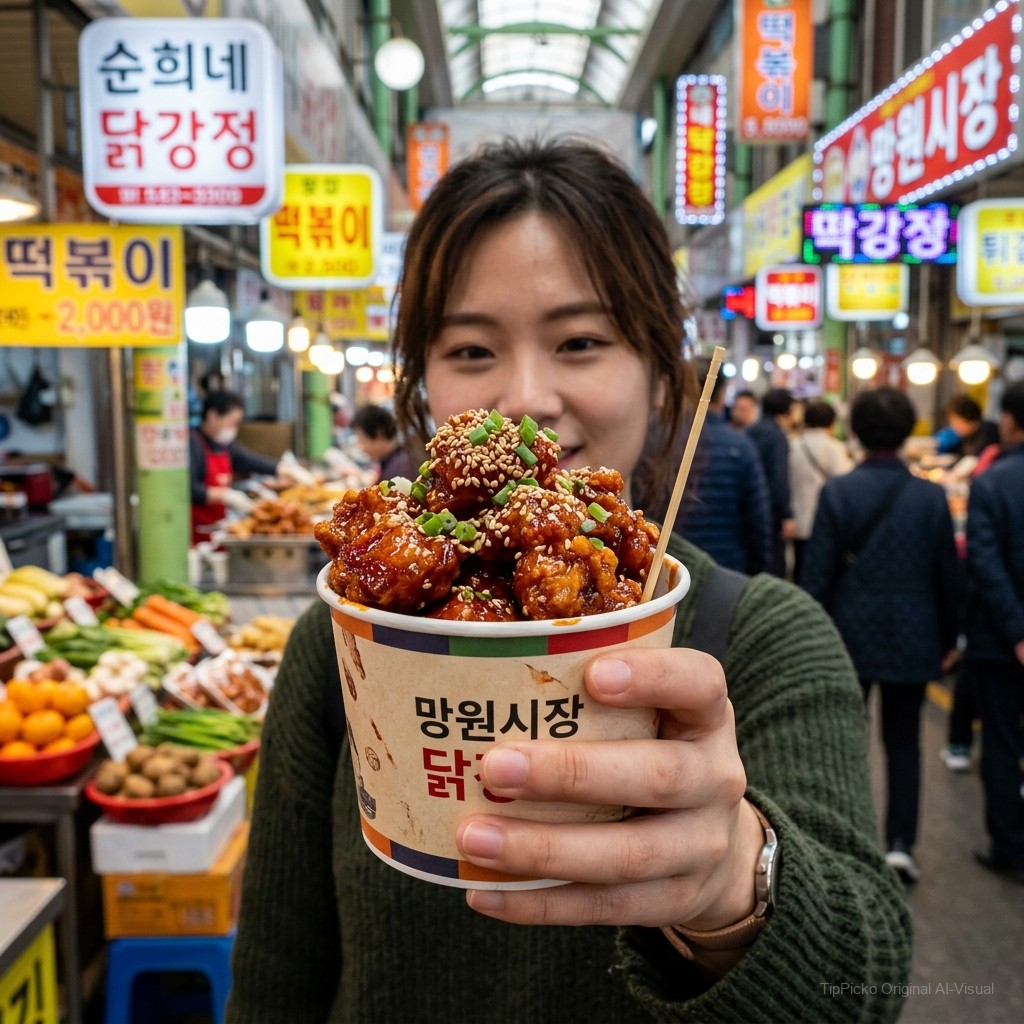
A quick reference to price indices ensures your experience remains fair and stress-free.
2. Mangwon Market: The Local’s Sanctuary
If Gwangjang is a loud concert, Mangwon is a cozy jazz club. Located in a residential pocket of Mapo-gu, this market caters heavily to the neighborhood residents and the “MZ generation” who flock to the nearby Mangnidan-gil cafes. It’s cleaner, slightly quieter, and feels remarkably authentic.
The food here is often more experimental. While you’ll find the classics, Mangwon is famous for its creative twists, like honey-glazed fried chicken and artisanal croquettes. It’s the kind of place where you can grab a handful of snacks and walk five minutes to the Han River park for a scenic picnic. The prices here often feel a bit more grounded, reflecting the local community vibe rather than the tourist rush.
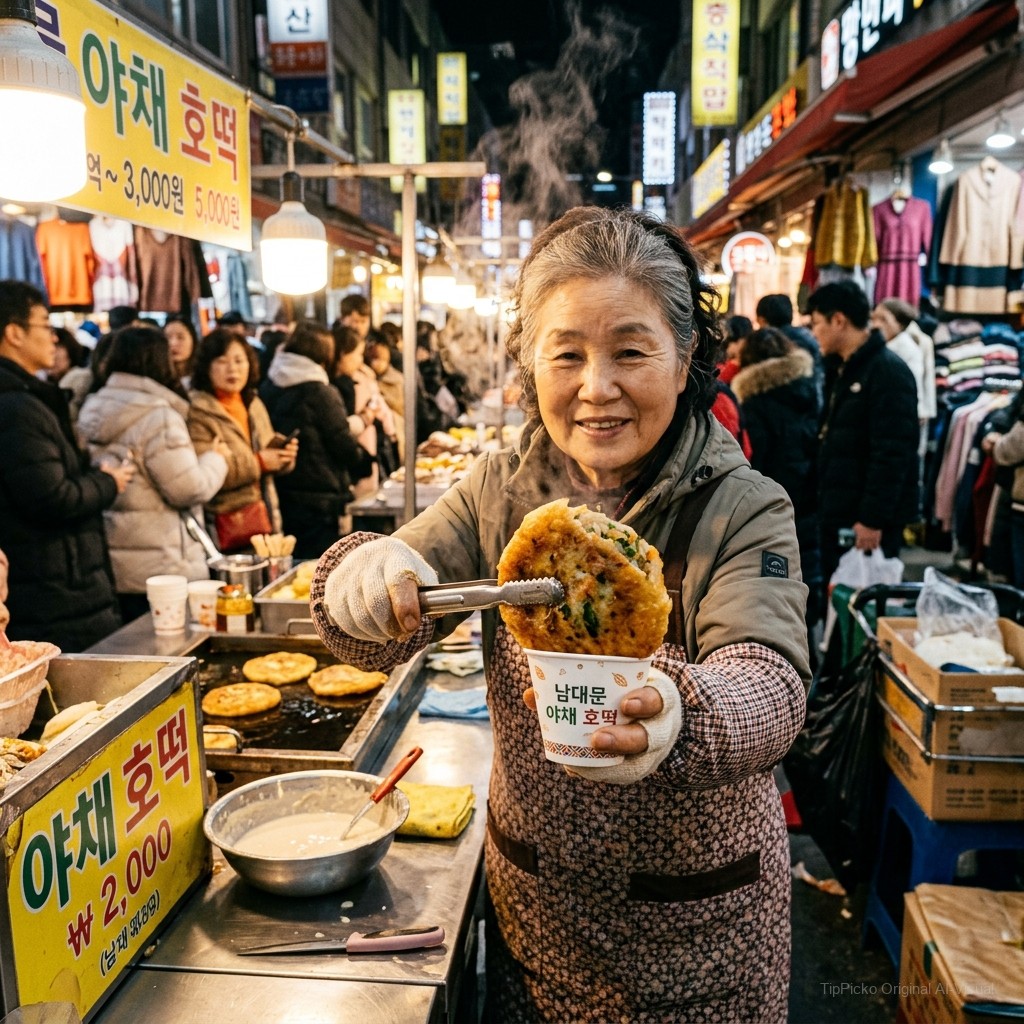
Mangwon Market: Where old-school grandmother’s recipes meet trendy youth food culture.
3. Namdaemun Market: The Giant of Commerce
Namdaemun is a behemoth. It’s one of the oldest and largest markets in Korea, selling everything from hiking gear to children’s clothing. But the real draw is the Kalguksu Alley. Imagine a narrow corridor where you sit on low stools, surrounded by steaming pots of hand-cut noodles.
The charm here is the “service.” In many stalls, if you order a bowl of noodles, you’ll be given a complimentary bowl of dumplings or a side of kimchi just because. It’s a fast-paced environment. You eat, you pay, and you make room for the next person. It’s the epitome of Seoul’s efficiency blended with old-world generosity.
4. Tongin Market: A Culinary Game
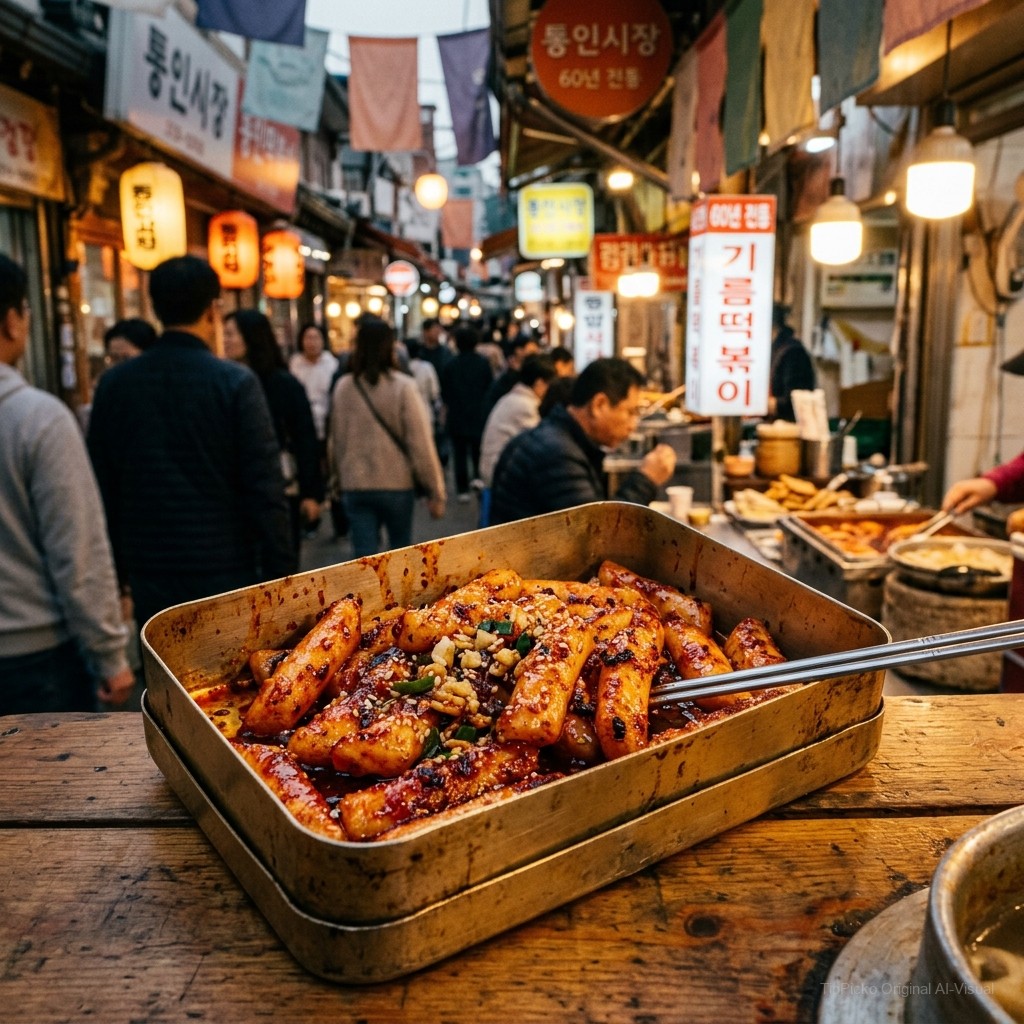
Tongin Market offers an experience you won’t find anywhere else: the Dosirak (Lunchbox) Cafe. Upon entry, you purchase “yeopjeon”—traditional brass coins. You then carry a vintage lunchbox and wander the market, using your coins to “buy” different side dishes from various vendors.
The star of the show here is the Oil-Fried Tteokbokki. Unlike the soupy version found elsewhere, this is stir-fried in a pan, giving it a concentrated, smoky flavor. It turns a simple meal into a scavenger hunt, making it a favorite for those who enjoy interactive travel.
5. Noryangjin Fish Market: The Ocean’s Bounty
For a total change of pace, head to Noryangjin. This is Seoul’s premier seafood hub. The experience is straightforward but exhilarating: you walk through the wet market, pick your live fish, shellfish, or crab from a tank, and then head upstairs to a raw fish restaurant where they prepare it for you on the spot.
The contrast between the cold, damp market floors and the steaming pots of Maeuntang (spicy fish stew) used to finish the meal is a highlight. It’s a raw look at Korea’s relationship with the sea. Pro tip: go early in the morning to see the auctions, or late at night for the neon-lit, bustling energy of the dinner crowd.
🏮 Beyond the Taste: Understanding ‘Jeong’
There is an invisible ingredient present in every bowl of noodles and every pancake in these markets. Koreans call it Jeong (정). It’s difficult to translate—it’s a mix of affection, attachment, and a deep sense of social bonding. You feel it when a vendor gives you an extra piece of fish “just because,” or when an elderly lady helps you navigate the menu with a warm smile despite the language barrier.
This emotional connection is what separates a traditional market from a shopping mall. In a mall, you are a customer. In a market, you are a guest. Embracing this warmth is the secret to truly enjoying the Seoul food scene. Don’t be afraid to smile, nod, and say “Kamsahamnida” (Thank you). It opens doors—and often, extra portions of food.
The genuine warmth of the vendors is what transforms a meal into a memory.
Closing Thoughts on the Market Trail
Seoul’s traditional markets are the city’s living archives. They preserve flavors that have survived wars, urban redevelopment, and the digital revolution. Whether you’re navigating the chaotic aisles of Gwangjang or playing with coins in Tongin, you’re participating in a ritual that has defined Korean life for generations. Go hungry, stay curious, and let your nose lead the way.
Editor’s Pro Tip
If you’re feeling overwhelmed by the crowds at Gwangjang, head to Mangwon Market for a more breathable experience. To avoid any payment friction at the smaller, family-run stalls, keep your T-Money card topped up and carry a small pouch of cash. Some older terminals still struggle with non-Korean credit cards, and having a 1,000 KRW note handy is often the fastest way to secure your snack.