The Quiet Call of the Mountain: A Guide to Temple Stays in Korea
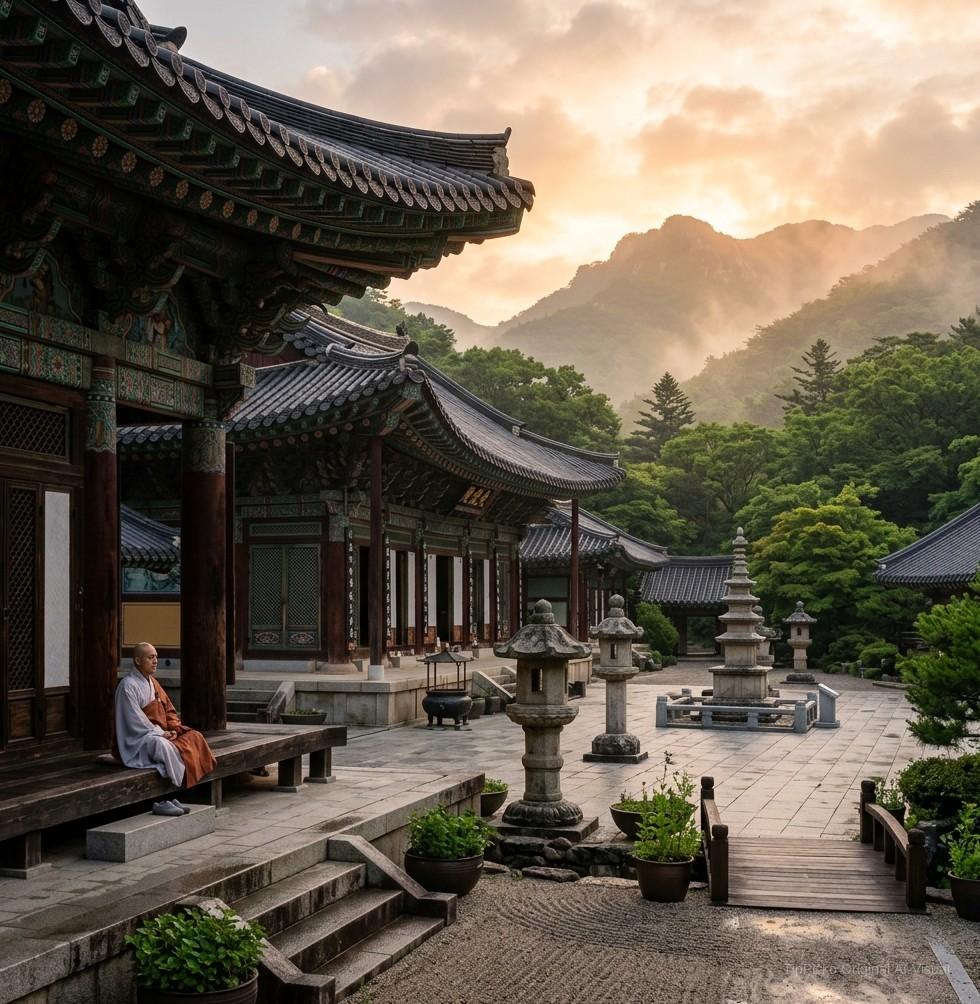
Whether you are navigating Seoul for the first time or you’ve lived in the city for years and feel the weight of its pace, a temple stay provides a sanctuary for the weary. It is an immersion into a way of life that has persisted for over 1,700 years, blending the discipline of Buddhist practice with the raw beauty of the Korean landscape. You aren’t just visiting a monument; you are stepping into a living, breathing tradition where the goal is not to “do” more, but to “be” more present.
Planning a retreat like this requires a bit of nuance. Not all temples are created equal, and the experience varies wildly depending on whether you seek deep silence or a structured cultural introduction. This guide moves past the surface-level brochures to explore the actual rhythms of monastic life, helping you choose a destination that aligns with your current mental state and physical energy.
The Soul of the Experience: What Really Happens at a Temple?
Many first-timers mistake a temple stay for a themed hotel. It isn’t. While the architecture is stunning, the heart of the experience is participation. These programs grew out of a spirit of hospitality during the 2002 World Cup, but they have evolved into a sophisticated system of mental wellness. The Jogye Order of Korean Buddhism designed these stays to bridge the gap between the secluded life of a monk and the chaotic life of the layperson.
Life here follows the sun. You will find yourself waking up while the valley is still draped in mist, guided by the resonant, deep boom of the morning bell. This isn’t just a schedule; it is a meditative rhythm. By stripping away the distractions of the modern world—smartphones, deadlines, and social expectations—you are forced to confront the noise inside your own head. It can be challenging at first. Then, it becomes liberating.
You will encounter rituals that seem repetitive but serve a psychological purpose. Take Yebul, the ceremonial chanting. The vibration of the voices in the wooden hall creates a collective energy that settles the mind. Then there are the 108 Prostrations. This is a physical purge. As you bow, you aren’t just performing a gesture; you are symbolically letting go of 108 worldly desires and delusions. It is exhausting, yes, but the mental clarity that follows the final bow is something few other experiences can replicate.
Then there is Baru Gongyang. This is the traditional monastic meal, and it is a masterclass in mindfulness. Every grain of rice is treated as a precious gift. You learn to eat in total silence, focusing entirely on the taste, texture, and origin of the food. The goal is zero waste. When you finish, your bowl is spotless. It is a powerful reminder of our interconnectedness with the earth and the hands that prepared our meal.
Finding Your Pace: Choosing the Right Program
Booking the wrong program is a common mistake. Some guests arrive expecting a spa-like retreat only to find themselves waking up at 3:30 AM for rigorous chanting. Conversely, some seek a spiritual breakthrough but find themselves with too much free time. To avoid this, you need to identify which “path” matches your needs.
The monastic community generally offers three distinct tiers of experience. They range from gentle decompression to rigorous discipline.
Space to Breathe
This path is for the burnt-out. There is no rigid itinerary. Aside from the main meals and a brief orientation, your time is your own. You can spend hours reading in a courtyard, walking through pine forests, or simply staring at the mountains. It is the choice for those who need a mental reset without the pressure of a schedule.
The Cultural Gateway
The most popular choice for international visitors. It is a curated journey through the highlights of Buddhist life. You’ll make lotus lanterns, participate in tea ceremonies with a monk, and learn the basics of meditation. It provides enough structure to feel like a “program” but enough flexibility to remain enjoyable.
The Deep Dive
This is not for the casual tourist. It is a rigorous commitment to Zen (Seon) meditation and monastic discipline. Expect long hours of silent sitting, early starts, and strict adherence to temple rules. It requires physical stamina and a desire for genuine spiritual challenge.
💡 Editor’s Insight: If you are visiting from abroad, prioritize English-supported Experiential Programs. The philosophy behind the rituals—the “why” behind the bow or the chant—is where the real value lies. A dedicated English coordinator transforms a series of strange actions into a meaningful psychological exercise.
Sanctuaries Near the City: Where to Stay
You don’t have to travel for days into the wilderness to find peace. Seoul and its surrounding provinces are dotted with temples that balance historical prestige with accessibility. Some are tucked away in the mountains, while others exist in a surreal contrast right in the heart of the city’s neon districts.
The choice depends on your appetite for isolation. Do you want the convenience of a subway ride, or do you want to hear absolutely nothing but the wind in the trees?
| Temple Name | Accessibility & Location | English Support | Core Features & Atmosphere | Avg. Cost (1 Night) |
|---|---|---|---|---|
| Bongeunsa (봉은사) | Jambong-dong, Gangnam District, Seoul (Subway Line 9) | Excellent (Dedicated Translators) | An urban oasis contrasting high-rise buildings. Highly convenient, great for business travelers and short-stay tourists. Famous for tea time. | 80,000 KRW |
| Jogyesa (조계사) | Insadong, Jongno District, Seoul (Subway Line 1/3) | Excellent (Headquarters of Jogye Order) | Located in the historical heart of Seoul. Beautiful lantern festivals and vibrant courtyard ceremonies. Extremely easy to combine with palaces. | 70,000 KRW |
| Myojeoksa (묘적사) | Namyangju City, Gyeonggi Province (Seoul Metro + Taxi) | Moderate (Basic English Coordinators) | A secluded forest temple featuring a beautiful waterfall and valley. Perfect for those who want a quiet, natural mountain escape near Seoul. | 90,000 KRW |
| Hwaunsa (화운사) | Yongin City, Gyeonggi Province (Seoul Express Bus + Metro) | Good (Dedicated English Program) | A gentle, serene temple specializing in psychological counseling and emotional healing through Buddhist tea meditations. Extremely peaceful. | 80,000 KRW |
For those who love a paradox, **Bongeunsa** is a revelation. Walking from the high-end boutiques of Gangnam into the silent courtyards of this temple is a jarring, wonderful experience. It reminds you that peace is available even in the center of the storm. On the other hand, **Myojeoksa** offers a different kind of luxury: the luxury of disappearance. Located in the quieter reaches of Namyangju, it allows you to truly disconnect from the urban grid and reconnect with the natural world.
The Art of Being a Guest: Etiquette and Preparation
A temple is a home and a place of worship. The monks and nuns are not hotel staff; they are practitioners. Approaching your stay with a spirit of humility and respect will not only make your stay smoother but will likely open doors to deeper conversations with the residents.
The Essential Packing List
While the temple provides the basics, a few personal items make a significant difference in your comfort.
- The Sock Rule: You will be removing your shoes constantly. Bare feet are generally not permitted in the main halls or living quarters. Pack a few pairs of clean, neutral-colored socks. It’s a small detail that shows respect for the cleanliness of the sacred space.
- Layering Your Clothing: The temple provides a grey cotton uniform (a vest and trousers). It is comfortable but thin. Wear a modest, breathable t-shirt underneath. Avoid anything too tight, flashy, or revealing, as this can be seen as disruptive to the environment of modesty.
- Analog Comforts: Since you’ll be encouraged to limit phone use, bring a physical journal and a pen. The clarity that comes during a temple stay often brings up thoughts and realizations that are worth capturing on paper.
- Cash for Offerings: Most bookings are digital, but small amounts of Korean Won are useful for the temple gift shop or for “Boshi” (voluntary donations) at the altar.
Navigating Sacred Spaces
There are unwritten rules that govern temple life. Following these ensures you blend into the environment rather than standing out as a tourist.
- The Path of Respect: In the Buddha Hall and on the main walkways, the center is reserved for the high monks. Stick to the sides. It is a subtle way of acknowledging the spiritual hierarchy of the space.
- The Hapjang Greeting: Instead of a handshake or a wave, place your palms together in front of your chest and give a slight bow. This is the “Hapjang.” It signals that you are greeting the other person with a focused and open heart.
- The Power of Silence: There is a specific window of time, usually from the evening bell until the dawn service, where “Noble Silence” is observed. This isn’t just about noise levels; it’s about internal quiet. Turn your phone off completely. Let the silence be your companion.
Common Questions for the Curious Traveler
TRAVEL WRITER
✓ Verified
Updated 2026.05