Beyond the Stage: A Curated Guide to Seoul’s
Premier K-Pop Hubs & Concept Stores
Tracing the footsteps of global icons through the city’s most immersive agency spaces and artistic pop-ups.
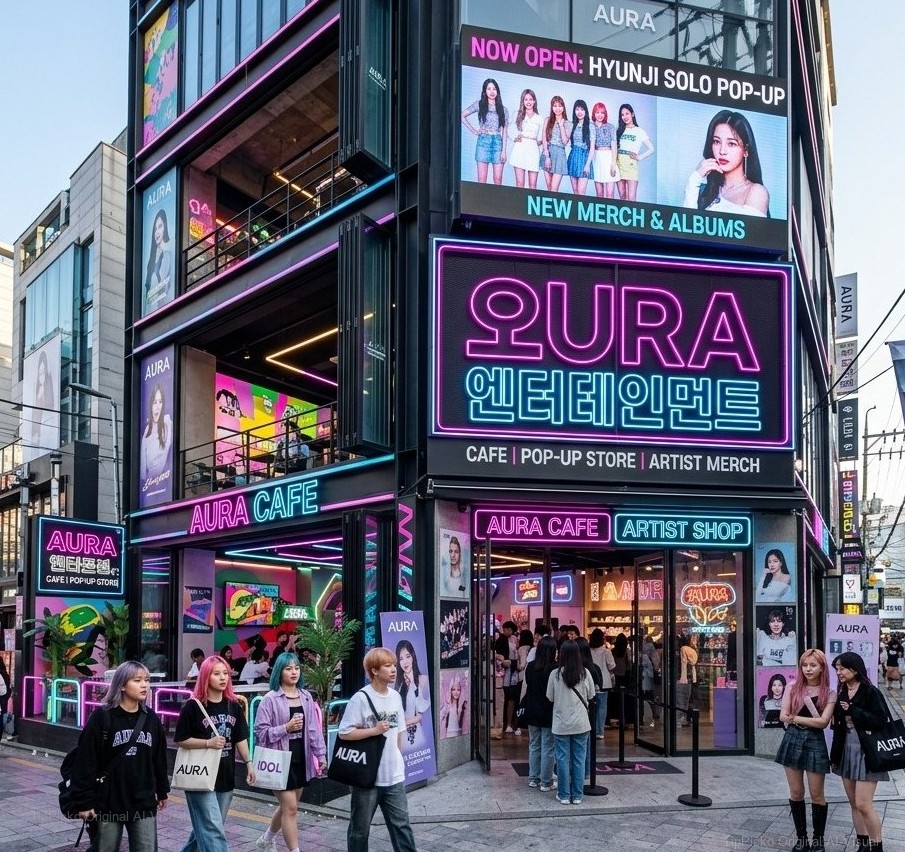
Seoul doesn’t just play K-pop; it breathes it. To the uninitiated, the city is a sprawling metropolis of glass and neon, but for the dedicated fan, it is a map of emotional landmarks. The experience has shifted. We have moved past the era of simply standing outside a corporate office with a camera, hoping for a glimpse of a black sedan. In 2026, the “fan pilgrimage” has matured into a sophisticated exploration of high-concept architecture, immersive retail, and digital art.
These physical spaces act as the bridge between a digital screen and reality. They translate the meticulously crafted aesthetics of a music video into three-dimensional environments you can actually touch. Whether it is the sterile, futuristic glow of a metaverse-inspired flagship or a gritty industrial cafe serving as a sanctuary for a specific fandom, these hubs offer a tangible connection to the artists. A chance encounter with an idol is rare. However, the electricity of these spaces—the shared pulse of thousands of visitors and the precision of the branding—is a reward in its own right.
💡 Why These Hubs Matter
- The “Drop” Culture: These stores are the only places to find “drop-only” merchandise and limited-edition collaborations that never hit international shipping warehouses.
- Curated Narrative: Every installation is overseen by the same creative directors who build album concepts. Visiting is less like shopping and more like walking through a gallery.
- Technological Fusion: Expect a seamless blend of AR (Augmented Reality) mirrors and interactive touch-screens designed to blur the line between fan and artist.
- Sensory Branding: The menus are an extension of the art. From signature lattes inspired by a group’s color palette to high-end desserts, the gastronomy is intentional.
Decoding the Seoul K-Pop Geography
Seoul’s layout can be deceptive. While the subway system is a marvel of efficiency, the major agencies are scattered across distinct districts, each with its own vibe. Attempting to hit every spot in a single day is a recipe for burnout. The smartest approach is clustering. Group your visits by neighborhood to save hours of transit time. This leaves you room for spontaneous discoveries, such as the fan-run “birthday cafes” that often pop up in small alleys nearby during an idol’s birth month.
| Agency Space | Location | Representing Artists | Main Highlight |
|---|---|---|---|
| HYBE Insight / Cafe | Yongsan-gu | BTS, SEVENTEEN, NewJeans, TXT | Massive interactive museum & exclusive Egg Tarts. |
| KWANGYA @ SEOUL (SM) | Seongsu-dong | aespa, NCT, EXO, Red Velvet | Futuristic metaverse concept & digital media art. |
| The SameE (YG) | Hapjeong-dong | BLACKPINK, TREASURE, BABYMONSTER | Cozy cafe directly facing the YG building. |
| JYP Soul Cup | Gangdong-gu | TWICE, Stray Kids, ITZY | Organic menu and a giant red coffee cup installation. |
| Cube 20 Space | Seongsu-dong | (G)I-DLE, BTOB, PENTAGON | Frequent artist-themed pop-up events and cafe. |
Mapping the Epicenters of K-Pop Influence
📍 HYBE Insight: Where Music Meets Architecture
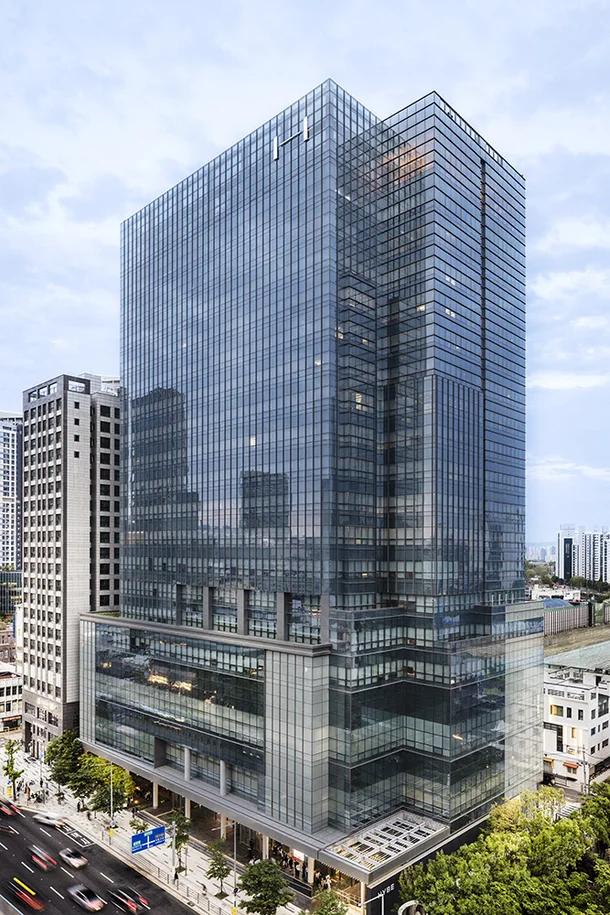
Standing in the heart of Yongsan, the HYBE headquarters is a monolithic testament to the global scale of the modern industry. This is not a gift shop; it is a multi-sensory museum. Access is strictly regulated through the Weverse app, making a pre-booked reservation mandatory. Once inside, the exhibits strip away the glamour to show the grit. You’ll see the evolution of BTS and SEVENTEEN through immersive audio-visual installations that highlight the grueling process of idol production.
The scale is intentionally overwhelming. Towering screens and spatial audio mimic the sensation of being center-stage at a stadium show. For those without a museum ticket, the ground-level periphery still offers a glimpse into the HYBE ecosystem. A visit to Bang&Baker’s is practically mandatory. Their egg tarts have attained a legendary status among the fandom. They sell out with alarming speed. Arrive early, or be prepared to walk away empty-handed.
📍 KWANGYA @ SEOUL: A Digital Fever Dream
Seongsu-dong is currently the trendiest pocket of Seoul. Often compared to Brooklyn for its mix of repurposed factories and avant-garde galleries, it is the perfect backdrop for SM Entertainment’s KWANGYA. This store is a neon-drenched portal into the “SMCU” (SM Culture Universe). The interior is a masterclass in futuristic design, featuring curved LED walls and floors that feel like a digital highway. It is visually loud and unapologetically bold.
This is the primary destination for those hunting the latest aespa, NCT, or RIIZE merchandise. SM employs a philosophy of “phygital” retail—merging physical products with digital interaction. The aesthetic is sharp, metallic, and deliberately cold, mirroring the cutting-edge sound SM is famous for. It is a high-energy environment. The music is pulsing, the visuals are vivid, and the atmosphere is electric.
📍 The SameE: The Industrial Soul of YG
The YG Entertainment building itself is a fortress of privacy. To counter this, The SameE provides the accessible, human side of the agency. Located in the Hapjeong area, this space rejects the high-tech gloss of HYBE or SM. Instead, it embraces an industrial, raw aesthetic. It feels less like a corporate outlet and more like a sophisticated lounge for BLINKs and Treasure Makers.
The real draw is the geography. The second floor provides a vantage point overlooking the entrance to the YG building. It has become a local tradition for fans to linger here over an iced americano, hoping for a rare glimpse of a black van pulling up to the gates. The mood is one of quiet, collective anticipation. It is a stark contrast to the neon chaos of Seongsu.
📍 JYP Soul Cup: The Wellness Sanctuary
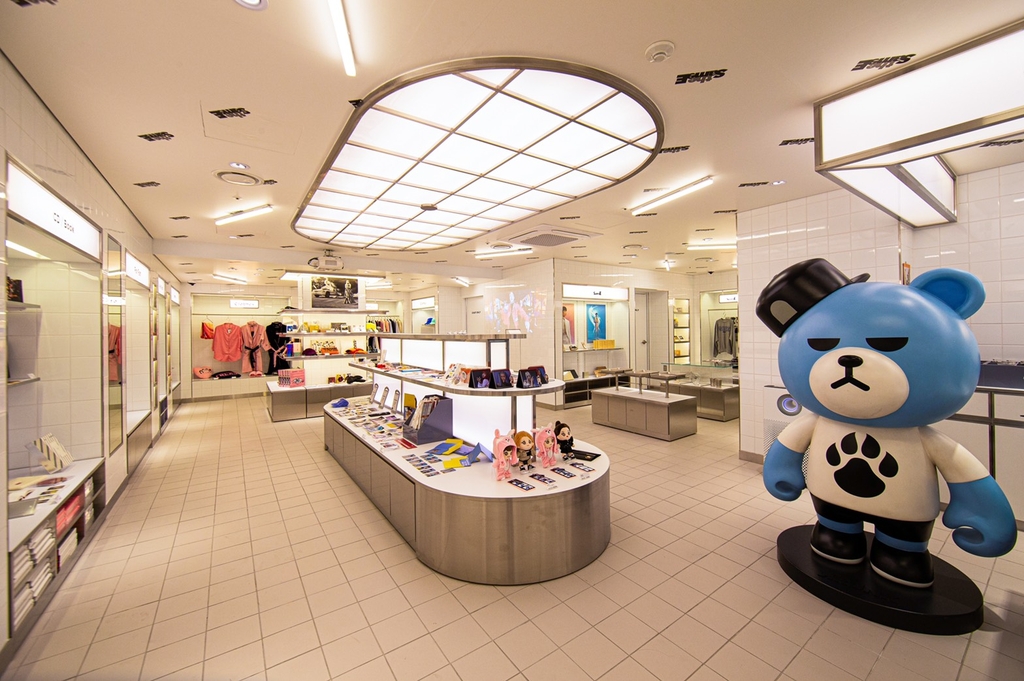
JYP Entertainment has long championed a philosophy of health and organic living. Soul Cup is the physical manifestation of that ethos. Tucked away near the greenery of Olympic Park, the vibe here is markedly more relaxed. The menu reflects JYP’s personal commitment to wellness, offering a curated selection of organic teas and health-conscious coffee blends.
While large-scale screens loop the high-energy performances of TWICE, Stray Kids, and ITZY, the overall mood is communal. It feels like a living room for the global fandom—a place to discuss theories and trade photocards without the pressure of a crowd. It is the ideal spot to recharge your battery before heading back into the city’s more intense hubs.
📍 Cube Entertainment 20 Space: The Chameleon Hub
Also located in the creative enclave of Seongsu-dong, Cube’s 20 Space is the most dynamic of the five. It functions as a “concept chameleon.” Rather than maintaining a permanent look, the entire interior is rebranded whenever a group like (G)I-DLE or BTOB prepares for a comeback. The walls, lighting, and music shift to mirror the specific theme of the new album cycle.
The real attraction is the event-driven menu. During comeback seasons, you can order themed drinks that come with exclusive cup sleeves or limited-edition photocards. It transforms a simple coffee run into a collectible experience. If you time your visit during a promotional window, 20 Space becomes a festive center of celebration. It is unpredictable, which is exactly what makes it exciting.
📱 Mastering the “Open Run” Culture
In the world of Seoul retail, an “Open Run” refers to the act of lining up hours before a store opens to secure limited-edition items. However, the physical line is fading. Most premium pop-ups now use digital queuing systems. Download CatchTable or ensure your KakaoTalk is updated. At many locations, you must register your phone number at a kiosk to enter a virtual waiting room. Don’t just show up; check the agency’s official X (Twitter) or Instagram accounts for the day’s specific entry protocol.
Cultural Nuances for the K-Pop Traveler
To truly immerse yourself in a K-pop tour, you need to understand the unspoken rules. First is the “Photocard Economy.” You will see fans in these cafes meticulously organizing small plastic sleeves. These cards are the currency of the fandom. Don’t be surprised if a fellow fan asks to trade—it’s a standard social interaction. Bringing your own binder is a signal that you are part of the community.
Second, respect the sanctuary. While these are commercial spaces, they are also shrines to the artists. Excessive noise or disruptive behavior is generally frowned upon. The goal is shared appreciation, not a chaotic scramble. A little bit of etiquette goes a long way in these spaces.
A Seoul K-pop tour is ultimately about closing the distance. It is about taking the music that lives in your headphones and finding its physical home. From the scent of the cafes to the imposing scale of the architecture, these spaces prove that K-pop is no longer just a music genre. It is a comprehensive, living cultural ecosystem.
Editor’s Pro Tip
Many of these hybrid stores, particularly HYBE Insight and KWANGYA, have strict identity verification processes for pre-booked slots. Always carry your original physical passport. Digital scans or photos are frequently rejected at the gate, which could mean losing your reserved time slot entirely.