Beating the Heat in Seoul: 7 Local Secrets for a Refreshing Summer (2026)
Seoul in summer is an electric mix of sweltering humidity and vibrant nightlife. Skip the tourist traps and discover how Seoulites actually stay cool—from subterranean libraries to icy traditional treats.
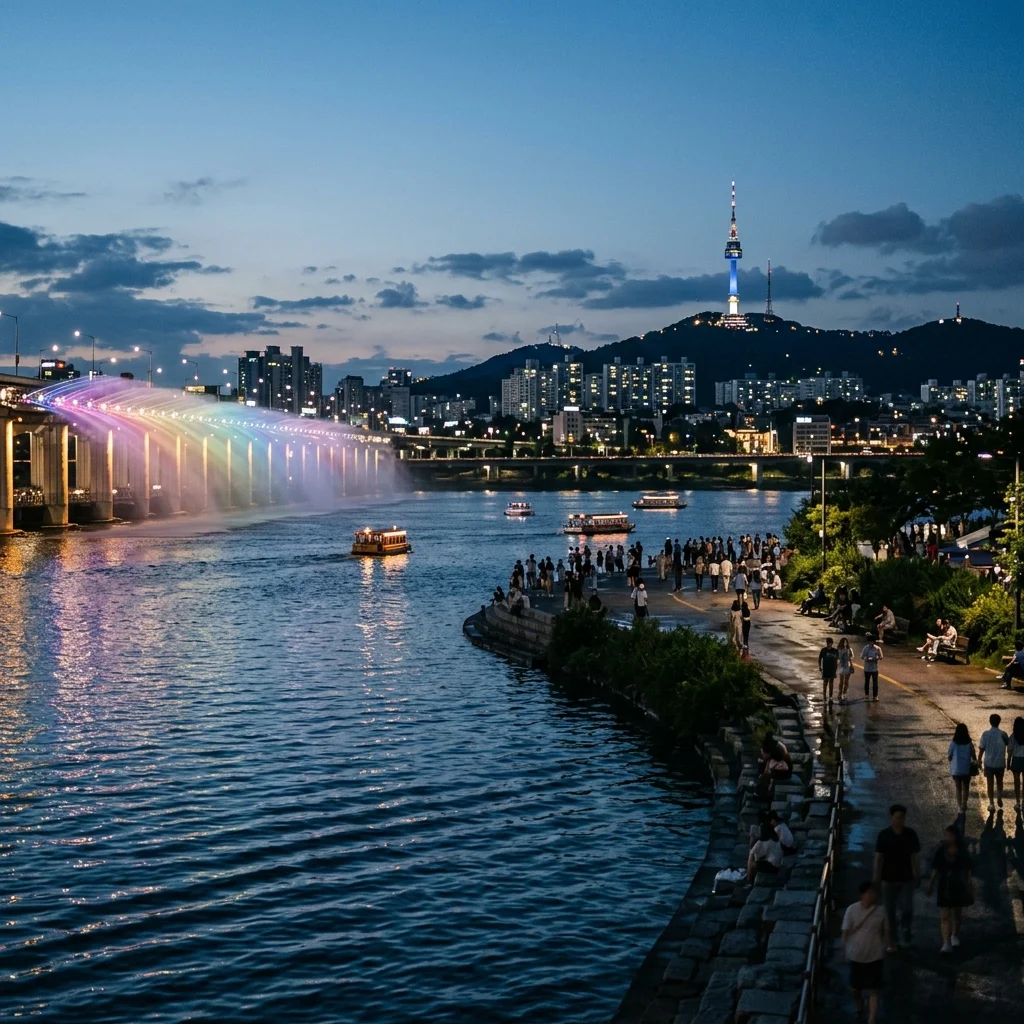
Seoul in July and August is a sensory overload. The city pulses with a specific kind of energy, though it’s often accompanied by a heavy, tropical humidity that can make a simple walk feel like a marathon. For those searching for the best things to do in seoul in summer, the secret isn’t just finding air conditioning—it’s about embracing the seasonal rhythms of the city. Koreans have mastered the art of the “summer escape,” utilizing everything from riverfront breezes to a culinary philosophy that fights heat with ice.
While the monsoon rains (Jangma) can bring sudden downpours, they also wash the city clean and set the stage for some of the most authentic local experiences. This isn’t the time for rigid, hour-by-hour sightseeing. Instead, it’s a time for slow mornings in galleries, late-night hikes, and long afternoons spent over a bowl of shaved ice. Whether you’re navigating the city as a first-time visitor or a long-term expat, the goal is to move with the city, not against it.
This curated guide explores seven sophisticated ways to navigate the Seoul heat. We’ll move beyond the obvious and dive into the specific cultural nuances—like the “Baedal” delivery culture at the river and the medicinal logic of the Korean spa—that make a summer trip truly memorable.
1. The Hangang Ritual: Picnics and Urban Water Play
The Han River isn’t just a geographic landmark; it’s Seoul’s collective backyard. When the urban heat island effect makes the concrete center of the city feel like an oven, the riverbanks offer a natural reprieve. Areas like Yeouido and Banpo Hangang Parks are designed for this exact purpose, providing sprawling green spaces and a constant breeze that cuts through the humidity.
For a truly immersive experience, head to the Yeouido Water Light Square (Mulbit Square). This isn’t a traditional pool but a shallow, interactive water plaza where the ground intermittently erupts into fountains. It’s a favorite for families and young couples. There’s something deeply relaxing about wading through cool water while staring up at the glass skyscrapers of the financial district—a sharp contrast between nature’s relief and urban ambition.
The real magic, however, happens at sunset. You’ll see thousands of people perched on colorful mats. This is the heart of “Baedal” culture. Using apps or local kiosks, you can have fried chicken, pizza, or jokbal (pig’s trotters) delivered directly to your spot in the park. If you’re feeling adventurous, visit a nearby convenience store and use the automated ramen cookers. Eating steaming hot noodles in the open air as the temperature drops is a quintessential Seoul summer contradiction.
Pro Tip: The Banpo Rainbow Fountain is a must-see. To avoid the heaviest crowds, arrive an hour before the first show. Check the official Visit Seoul portal for real-time schedules, as wind speeds can occasionally cause cancellations.
2. Bingsu: The Art of the Shaved Ice Crawl
If there is one flavor that defines a Korean summer, it is Bingsu. While it began as a simple bowl of shaved ice and sweetened red beans, Bingsu has evolved into a high-end culinary art. Today, it’s less about “ice” and more about “snow”—milky, finely textured crystals that melt the moment they touch your tongue.
For those seeking a quiet retreat, the Hanok villages of Bukchon or the narrow alleys of Insadong are ideal. Stepping into a traditional teahouse provides an immediate drop in temperature. The thick clay walls and wooden eaves of a Hanok naturally regulate heat. Here, order a classic Patbingsu. The deep, earthy sweetness of the red beans paired with chewy tteok (rice cakes) offers a nostalgic taste of old Korea.
On the other end of the spectrum is the modern dessert café. Establishments like Sulbing have turned Bingsu into a colorful spectacle. From Jeju Apple Mango—featuring mountains of fresh, ripe fruit—to Oreo and matcha variations, these shops are the social hubs of the summer. It’s common to see students and office workers spending hours here, treating the café as a temporary sanctuary from the midday sun.
3. Architectural Sanctuaries: National Museum and Starfield Library
Midday in Seoul requires a strategic retreat. The city is home to several “cultural oases”—spaces that are not only climate-controlled but architecturally designed to evoke a sense of calm and coolness.
The National Museum of Korea in Ichon is more than just a repository of history; it’s a masterclass in spatial cooling. The massive open-air lobby and soaring ceilings allow for natural air circulation, while the galleries maintain a crisp, consistent temperature to protect the artifacts. The digital immersive galleries are particularly effective for heat relief. The slow-motion projections of ancient ink paintings, combined with the soft ambient lighting, create a psychological cooling effect that helps you reset your internal thermometer.
There is a specific kind of silence in the National Museum of Korea. Combined with the air conditioning, it feels like stepping into another dimension where the summer humidity simply ceases to exist.
For those who prefer the hum of city life, the Starfield Library within COEX Mall is an essential stop. This isn’t just a library; it’s a modern cathedral of books. The towering 13-meter shelves create a vertical forest of literature under a massive glass dome. Because it’s nestled within one of Asia’s largest underground complexes, you can spend an entire day here. You can browse the shelves, grab a specialty coffee, and shop for international brands without ever needing to step outside into the heat.
4. Diving In: Public River Pools and Mega Water Parks
When the humidity becomes oppressive, the only real solution is total immersion. Seoul offers two distinct paths for water lovers: the local, budget-friendly river pools and the adrenaline-fueled mega parks.
The public pools at Ttukseom and Yeouido are where you’ll find the authentic local vibe. These are open-air facilities with surprisingly high standards of cleanliness. They feature lazy rivers and swimming lanes, all with the Seoul skyline as a backdrop. The admission is minimal, making it an accessible way to spend a Saturday afternoon. It’s a chaotic, joyful environment where the city’s stress seems to wash away.
For something more intense, a trip to Caribbean Bay (near Everland) or Ocean World is a rite of passage. These are massive resorts with wave pools that mimic the ocean and slides that drop you at terrifying speeds. However, a word of caution: peak summer weekends here are incredibly crowded. To make the most of these parks, book a shuttle bus from Hongdae or Myeongdong early in the morning and secure a “cabana” or lounge chair immediately upon arrival to ensure you have a base of operations for the day.
5. The Blue Hour: Night Hiking in Namsan and Bugaksan
In Korea, hiking is practically a religion. But in August, the trails can be brutal. The local workaround? The night hike. As the sun dips, the mountain ridges catch the cooler currents of air, and the city below begins to glow.
The climb to Namsan Seoul Tower is the most iconic route. The wooden boardwalks wind through dense forests, illuminated by soft lanterns. The air is noticeably cooler here than in the streets of Myeongdong just a few hundred meters below. The reward is a 360-degree view of the glittering metropolis. For those who aren’t in the mood for a steep climb, the Namsan Cable Car offers a swift, air-conditioned ascent to the summit.
For a more secluded experience, explore the Seoul City Wall trails on Bugaksan Mountain. These paths are steeped in history, tracing the ancient boundaries of the capital. The walk is quieter, the air is cleaner, and the sense of peace is profound. It’s the perfect way to clear your head after a day of navigating the crowded city center.
6. Naengmyeon: The Science of Cold Noodles
Korean food is deeply seasonal, and Naengmyeon (cold noodles) is the undisputed king of summer. The logic is simple: use icy, savory broth to lower the body’s core temperature. These noodles, made from buckwheat or potato starch, have a distinctive chewy texture that is incredibly satisfying when chilled.
You’ll generally encounter two main styles:
- Mul-Naengmyeon: Served in a clear, chilled beef broth with ice crystals. It’s refreshing, light, and customizable with vinegar and mustard.
- Bibim-Naengmyeon: A spicy, tangy version tossed in a red pepper paste. It’s for those who want a kick of heat to sweat it out, which ironically helps the body cool down.
If you want the “purist” experience, seek out Pyongyang-style Naengmyeon. It’s known for a more subtle, almost bland broth and a heartier buckwheat taste. It’s an acquired taste, but for many, it’s the only way to truly survive a Seoul August. Historic spots in Euljiro often have lines stretching around the block, but the first sip of that ice-cold broth makes the wait entirely worthwhile.
7. Jjimjilbang: The Ultimate Midday Reset
When the heat feels like a physical weight, the Jjimjilbang (Korean spa) offers a comprehensive physiological reset. This isn’t just about bathing; it’s a full-day experience in a social wellness center.
The secret to using a Jjimjilbang in summer is “contrast therapy.” Start in a high-heat salt room or pine sauna to induce a deep sweat, then immediately transition to the Ice Room. The sudden shift in temperature constricts blood vessels and refreshes the nervous system, leaving you feeling invigorated rather than exhausted. It’s a powerful way to detox from the city’s pollution and humidity.
The highlight for most visitors is the communal lounge. Clad in matching spa pajamas, you can lounge on heated floors (which, strangely, feel comfortable even in summer) and enjoy the local snacks. The gold standard here is the combination of slow-roasted eggs and a giant cup of Sikhye (sweet rice punch). Drinking an ice-cold Sikhye while resting in a cool, open lounge is perhaps the most relaxing way to spend a Tuesday afternoon in Seoul.
Summer Activity Comparison
To help you organize your days, here is a breakdown of how these activities stack up in terms of cost and “cooling power.”
| Activity Name | Price Range (KRW) | Cooling Rating | Best Time to Visit | Est. Duration | English Friendliness |
|---|---|---|---|---|---|
| Hangang River Park | Free to 10,000 | Moderate | Late Evening | 2 to 4 hours | High (App delivery) |
| Traditional Bingsu | 12,000 to 25,000 | Excellent | Mid-Afternoon | 1 hour | High |
| Museums and Libraries | Free | Excellent | Midday | 2 to 3 hours | High |
| Hangang Pools & Water Parks | 5,000 to 60,000 | Extreme | Full Day | 4 to 8 hours | Moderate to High |
| Night Hiking | Free | Moderate | After Sunset | 2 hours | Moderate |
| Cold Noodles (Naengmyeon) | 10,000 to 16,000 | Excellent | Lunch / Dinner | 45 minutes | Moderate |
| Jjimjilbang (Korean Spa) | 15,000 to 30,000 | Excellent | Afternoon / Night | 4 to 6 hours | Moderate |
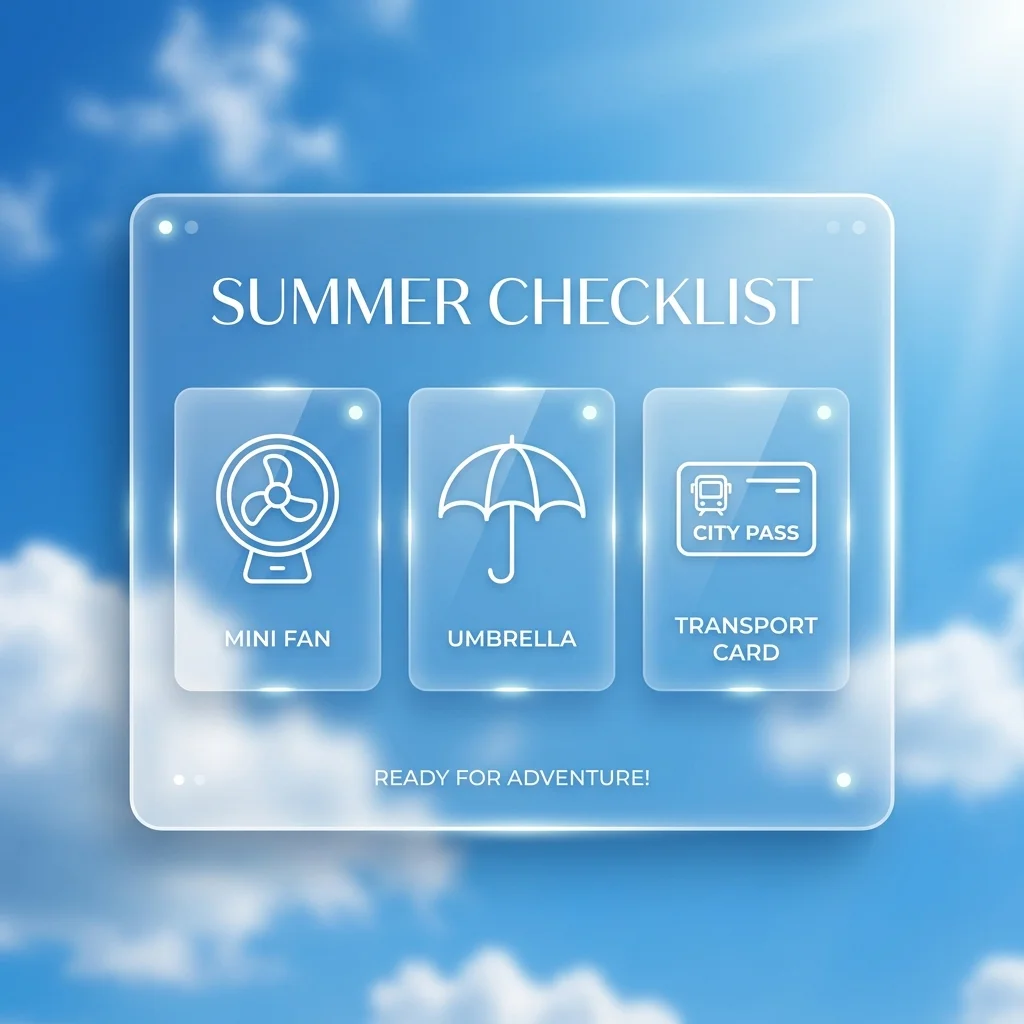
Survival Guide: What to Carry
Seoul is a city of convenience, but a few key items will make your summer exploration significantly more comfortable.
1. The “Handy Fan” (Portable Fan)
You will see these everywhere. From high-tech neck fans to simple handhelds, they are a staple of Korean street style. Grab one at a Daiso or a convenience store the moment you land; they are lifesavers while waiting for the subway or walking between cafes.
2. The Dual-Purpose Umbrella
The “Yang-usan” (parasol/umbrella) is key. It protects you from the sudden monsoon downpours and, more importantly, provides vital shade from the direct midday sun, which can be punishing on open streets.
3. T-Money Card Readiness
Avoid long walks in the sun. Seoul’s subway system is an air-conditioned sanctuary. Keep your T-Money card topped up so you can jump from one cool indoor attraction to another without hesitation.
4. Ice-Cup Hydration
A local hack: buy a plastic cup of ice from a convenience store and pour in a pouch of chilled coffee or tea. It’s the most affordable and effective way to keep your drink icy for hours.
Tailored Summer Itineraries
Depending on who you are traveling with, your priorities will change. Here are three ways to structure your day to maximize comfort.
Budget-Friendly & Chill
Start at the National Museum of Korea for some air-conditioned culture (10:00 AM). Enjoy a refreshing bowl of Mul-Naengmyeon for lunch. Spend the afternoon splashing at Yeouido Water Light Square (3:00 PM), and wrap up with delivery chicken by the river at sunset (6:00 PM).
Modern Luxury & Aesthetics
Morning browsing at the Starfield Library in COEX (11:00 AM). Head to a Gangnam cafe for a premium Mango Bingsu (2:00 PM). Rent e-bikes at Banpo Hangang Park (4:30 PM) and end the evening watching the Rainbow Fountain show (7:30 PM).
Traditional & Atmospheric
Early stroll through Bukchon Hanok Village before the heat peaks (9:00 AM). Patbingsu in an Insadong teahouse (12:00 PM), followed by a deep detox at a premium Jjimjilbang (3:00 PM). Finish with a moonlit hike up to Namsan Tower (7:00 PM).
Navigating Seoul in the summer is all about balance. It’s about knowing when to retreat into the subterranean cool of a mall and when to embrace the electric energy of a midnight river walk. By focusing on the right things to do in seoul in summer, you turn the humidity from a hurdle into a part of the adventure. Stay hydrated, seek out the ice, and let the city’s nocturnal rhythms guide you. Summer in Seoul isn’t just a season—it’s a lifestyle.
TRAVEL WRITER
✓ Verified
Updated 2026.05